Fishing Rod Care: Ways to Prolong Your Equipment's Lifespan
Maintaining your fishing rod is vital for guaranteeing gear durability and consistent performance. Frequent cleaning, damage assessment, and suitable storage play significant roles in preserving equipment. Caring for reels and shielding from environmental conditions are similarly essential. Identifying the right time to replace worn elements can considerably improve overall performance. The upcoming sections present important techniques and advice to guide anglers in properly maintaining equipment.
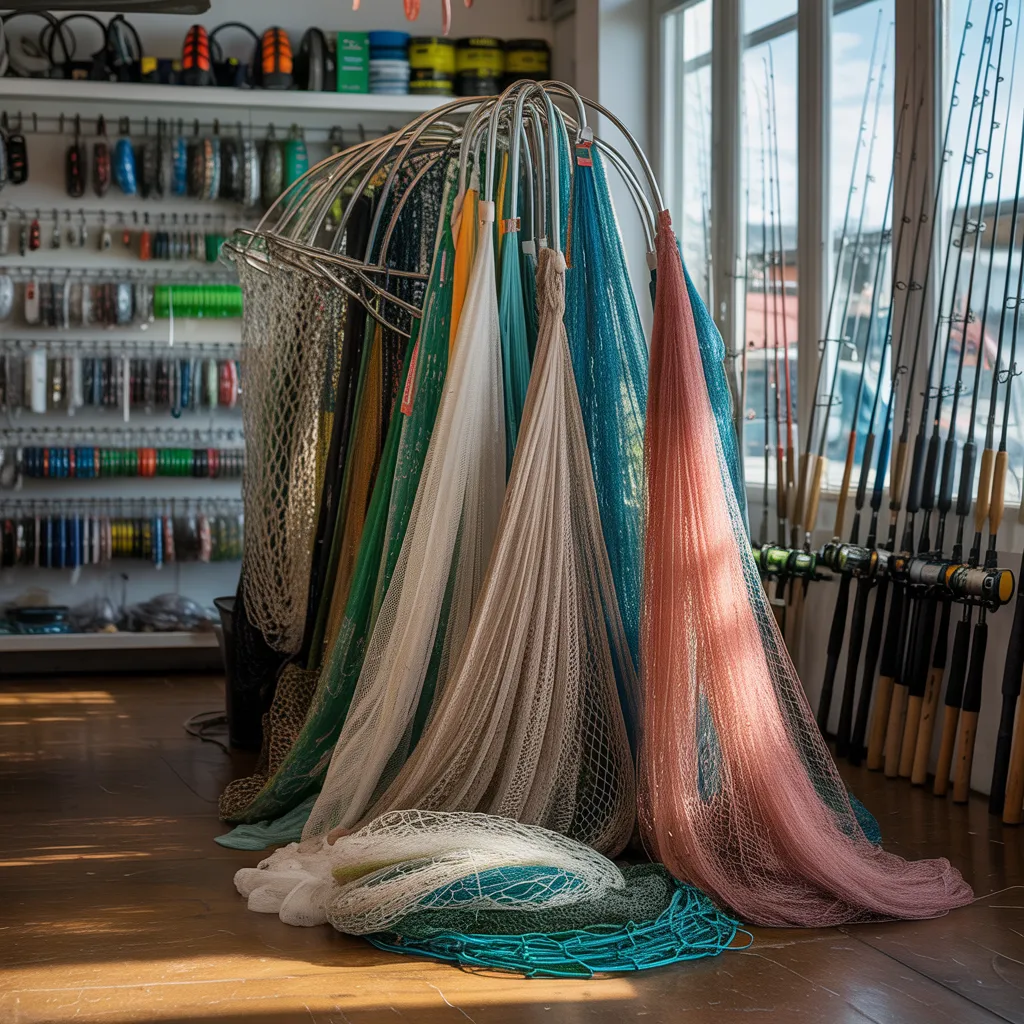
Common Cleaning Practices
Caring for a fishing rod starts with regular cleaning techniques that provide its longevity and performance. After each fishing trip, care must be taken with the rod's surface and guides. A soft cloth or sponge, dampened with fresh water, is ideal for removing dirt, salt, and debris. Care should be taken not to use harsh chemicals, as they can damage the finish and materials.
When it comes to the reel, it's important to clean it completely, ensuring that any remaining debris is cleared. Applying lubricant to moving parts should occur summary periodically to maintain smooth operation. Additionally, regularly cleaning the line helps avoid residue that can compromise casting. Proper storage in a rod holder or protective case, away from sun exposure, also aids in the rod's preservation. By using these cleaning methods, anglers can ensure their fishing rods remain in top condition for many successful outings ahead.
Inspecting for Defects
Examining a fishing rod for damage is crucial to maintaining its performance. This includes inspecting the rod structure for cracks or splits and examining the functionality of the reel to ensure smooth operation. Regular inspections can avoid costly repairs and improve the overall fishing experience.
Review Fishing Rod Structure
A thorough examination of the fishing rod structure is essential for securing maximum performance on the water. Anglers should assess the rod for any apparent signs of damage, including cracks, splits, or warping, as these can weaken its integrity. The guides and tip should also be inspected for any scratches or bending that may hinder line movement. Furthermore, the rod's handle should be examined for wear, as a damaged grip can result in lessened control during casting. It is wise to pay attention to the ferrules, confirming they fit tightly and firmly. Routinely inspecting these components can help detect potential issues early, enabling timely repairs or replacements and ultimately lengthening the rod's lifespan.
Examine Reel Features
During preparation for a fishing trip, checking the functionality of the reel is necessary to ensure a smooth fishing experience. Anglers should assess the reel for any visible damage, for example cracks, rust, or corrosion. A detailed check of the drag system is important; it should engage and disengage smoothly without problems. In addition, the spool should be free of any tangles or frayed line, as these can influence casting performance. The handle should move easily, without grinding or stiffness, reflecting proper lubrication. If any issues appear during the inspection, correcting them promptly can avert further damage. Regular inspection of the reel not only improves performance but also supports the overall longevity of fishing gear.
Correct Storage Techniques
Proper storage approaches are vital for preserving the longevity and performance of fishing rods. Using indoor storage options, such as rod racks, can help safeguard rods from damage while keeping them neatly arranged. Understanding the value of these storage solutions is important for any angler looking to preserve their equipment.
Inside Storage Options
Effective indoor storage methods play a vital role in preserving the longevity of fishing rods. Keeping rods in a controlled environment protects them from temperature fluctuations and humidity, which can result in deterioration. A designated storage space, free from direct sunlight, is ideal. Anglers should consider using rod sleeves or cases to shield rods from dust and accidental damage. Additionally, storing rods vertically or horizontally in a manner that prevents bending or warping is significant. Avoid leaning rods against walls or other objects, as this can cause stress on the material. Regular inspections on the storage location for any signs of moisture or pests can further guarantee that the rods remain in excellent condition for future fishing trips.
Advantages of Rod Racks
Employing a rod rack delivers considerable perks for anglers looking for ideal storage alternatives. A properly designed rod rack keeps fishing rods arranged and easily accessible, decreasing the chance of damage resulting by tangling up or bending. By raising rods off the ground, these racks also protect against moisture and dirt, which can result in corrosion and deterioration over time. Additionally, rod racks can save space, making them a pragmatic choice for those with confined storage spaces. Many racks can hold multiple rods, permitting efficient organization of various gear types. All in all, purchasing a rod rack not only prolongs the life of fishing rods but also enhances the complete fishing experience by simplifying preparation and storage.
Tips for Reel Maintenance
Routine maintenance of fishing reels is vital for achieving peak performance and longevity. Anglers should begin by cleaning their reels after each use, removing dirt and saltwater to prevent corrosion. A soft cloth can be used to wipe down the exterior, while a gentle rinse with freshwater is encouraged for reels exposed to saltwater conditions.
After that, regular lubrication of the reel's moving parts is essential. Using the manufacturer's recommended oil and grease maintains gears running smoothly and prevents wear. Furthermore, examining the drag system for any issues and fine-tuning it as needed will boost performance during fishing trips.
Last but not least, checking the line for damage or deterioration before each fishing trip can stop unexpected breakage. By following these reel maintenance guidelines, anglers can substantially increase the life of their gear and provide a more pleasant fishing experience.
Protecting Your Rod From the Elements
Safeguarding a fishing rod from the elements is crucial for maintaining its functionality and longevity. Contact with extreme temperatures, dampness, and UV rays can damage materials like graphite and fiberglass, resulting in reduced performance and strength. One reliable method is storing the rod in a protective case when not in use, which shields it from dust and impact. Moreover, anglers should avoid leaving their gear in direct sunlight for extended periods, as this can cause fading and weaken elements.
During rainy or humid fishing conditions, it is best to dry off the rod with a dry cloth after use. This practice removes moisture and guards against corrosion on the guides and reel seats. Utilizing rod socks or covers can deliver an extra layer of protection during transport, further minimizing wear and tear. By taking these precautions, anglers can greatly extend the durability of their fishing rods.
Understanding When Parts Need Replacement
While proper fishing rod maintenance is necessary for peak performance, recognizing when to replace its parts is equally critical. Anglers must consistently check critical components including guides, reels, and tips for deterioration and damage. Frayed line guides can cause tangles and breakage, signaling the need for replacement. Furthermore, reel function can deteriorate with use; a stiff drag or strange sounds frequently suggest that internal components may need servicing or replacement.
The rod's tip, which experiences significant stress, should also be inspected for damage such as cracks or breaks. If the rod shows diminished sensitivity or bends improperly, it may be time to think about replacing it entirely. By acknowledging these signs and taking proactive measures, anglers can ensure their gear remains dependable and functional. In the end, timely replacements lead to a more enjoyable fishing experience and can greatly boost overall performance on the water.
Your Questions Answered
How Often Should I Clean My Fishing Rod?
Your fishing rod needs cleaning after every fishing trip, especially exposed to saltwater or debris. Consistent maintenance ensures top performance and longevity, avoiding corrosion and damage while improving the total fishing experience.
Can Soap Be Used on Fishing Gear?
The use of soap on fishing tackle is generally okay, but it ought to be mild and non-abrasive. Meticulous rinsing is necessary to wash off any leftovers, making certain the gear continues in excellent condition and clear of harmful materials.
What Tools Should I Have for Maintenance?
For upkeep, one needs a soft cloth, a soft brush, lubricant, reel oil, and a cleaning solution. These supplies guarantee proper care and thorough cleaning, which helps extend the lifespan of fishing apparatus properly.
How Can I Prevent Corrosion on Metal Parts?
To prevent corrosion on metal parts, frequent cleaning with fresh water is crucial. Adding a protective lubricant and storing equipment in a dry environment also aids in maintain integrity and prolonging the lifespan of the metal parts.
Is My Gear Safe for Saltwater Fishing?
Using gear specifically designed for saltwater environments makes fishing generally safe. Nonetheless, regular maintenance is vital to stop corrosion and maintain longevity, given that fishing gear can suffer from saltwater's corrosive effects.